
How We Build
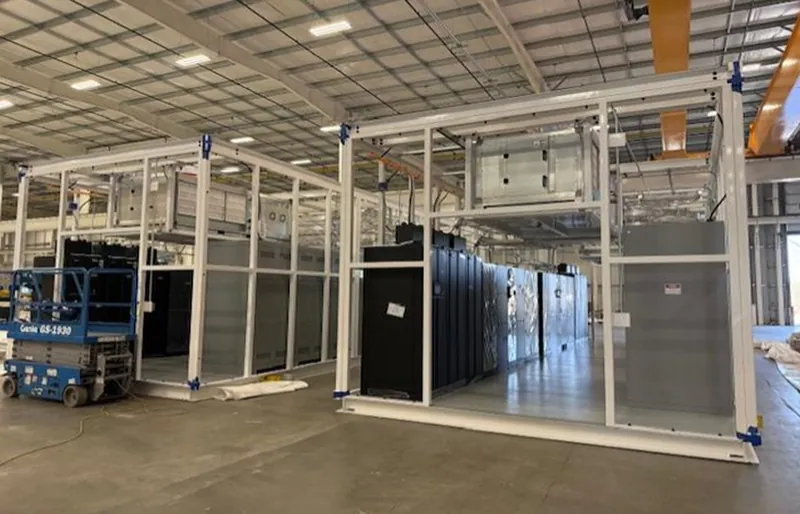
Traditional data-center delivery runs 18–36 months of trades working in sequence on site. Hypergate moves that work onto a factory floor and ships finished blocks: power, cooling, and white space commissioned in the factory before anything reaches the site. Commissioning is numbered L1 to L5, from L1 factory acceptance to L5, the integrated systems test at full load.
Months, groundbreaking to turnover, 100 MW building
Schedule Phasing
Phases overlap on purpose. Structure, systems, fit-out, and commissioning run in parallel where they can, and the sequence holds from campus to campus.
Custom Versus Repeated
Most AI campuses are engineered from scratch: one design per site, trades running in sequence, a schedule measured in years. Hypergate engineers the lane once and repeats it.
Site-built · the old way
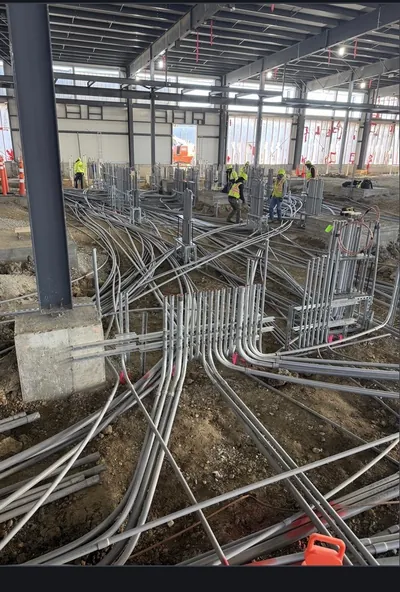
One design per site, from scratch
Trades in sequence on the job site
18–36 months, groundbreaking to turnover
The lane · how Hypergate buildsThe better way
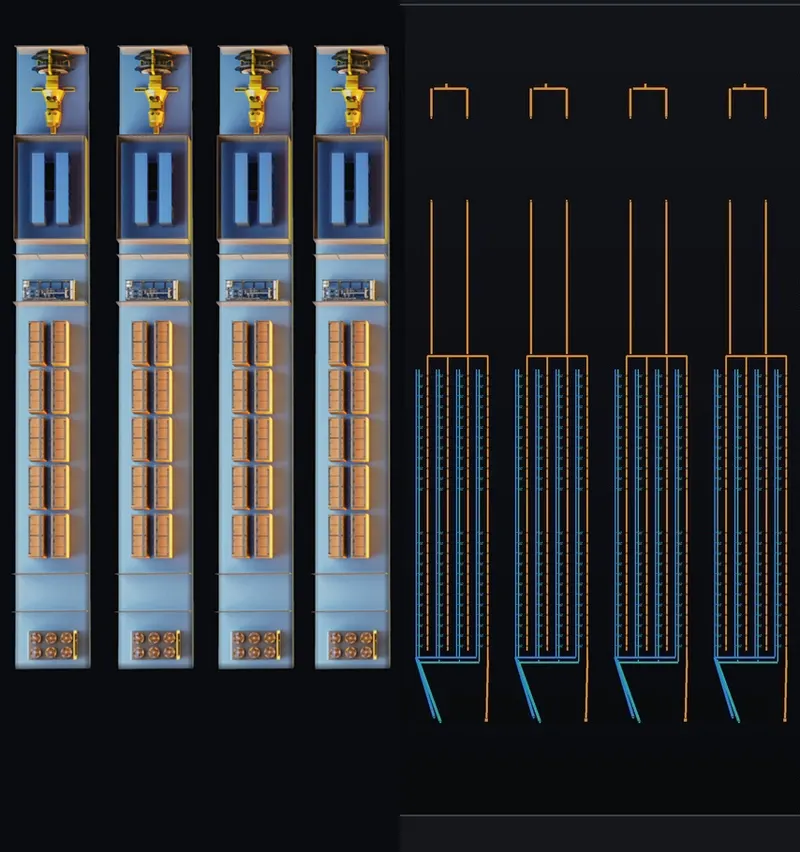
One design, engineered once, repeated
Blocks finished and tested in the factory
Capacity added lane by lane, in phases
Build Sequence
L3 is handover, verified in the plant and again once the blocks are set.
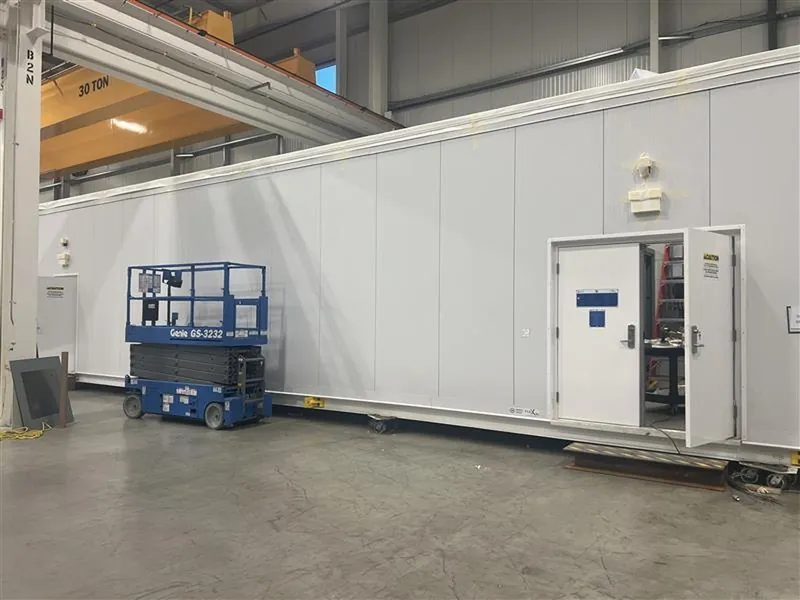
01Fabricate
Blocks built on the factory floor.
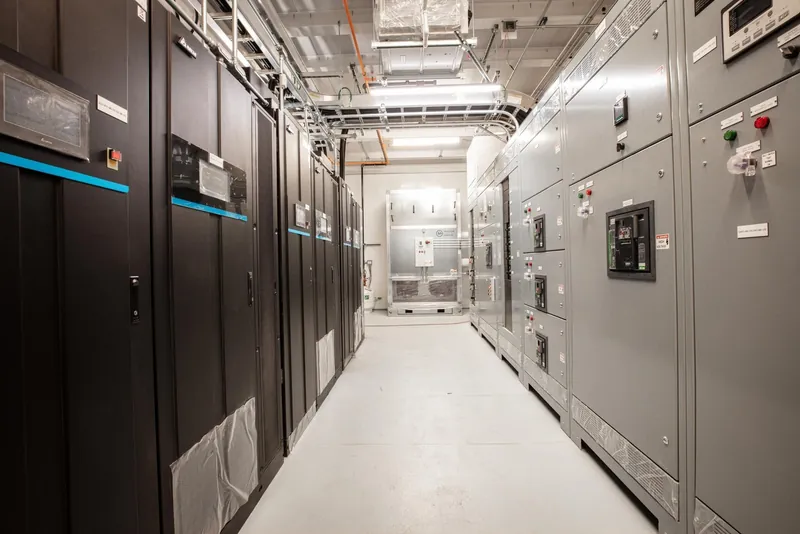
02Commission
L1–L3 finished on skids.
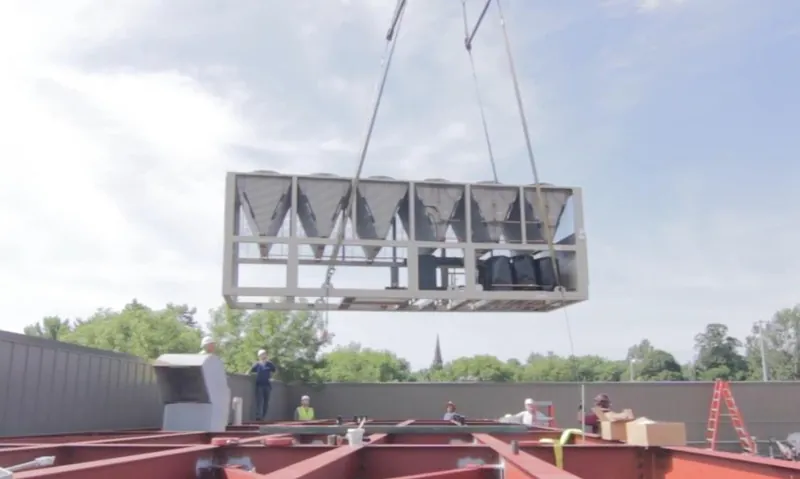
03Ship and set
Modules move complete and set in one lift.
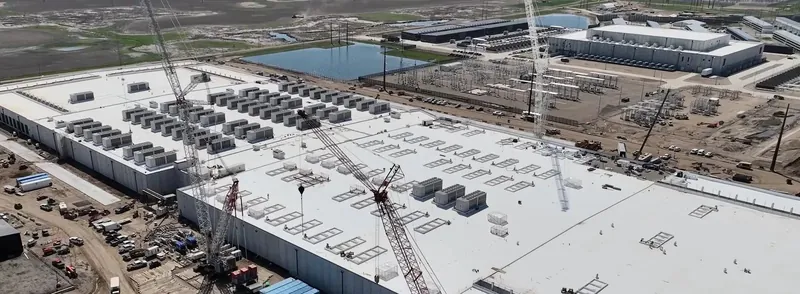
04Connect
Blocks interconnected on the slab.
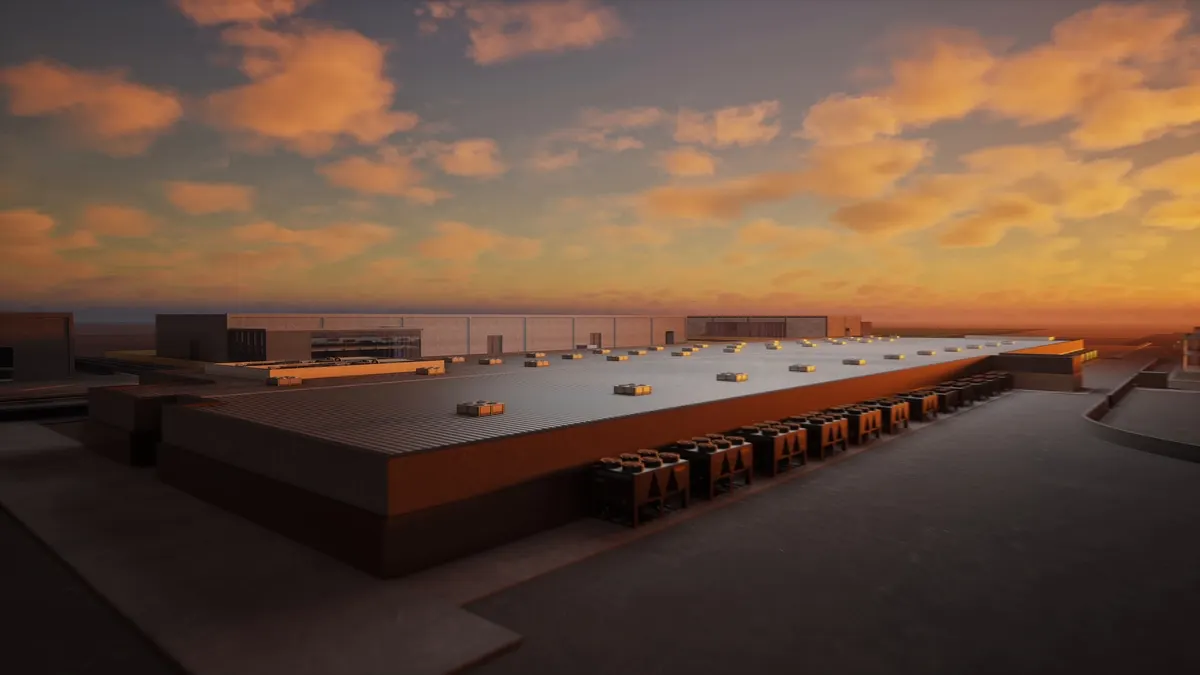
05Energize
L3–L5 on site. The lane takes load.
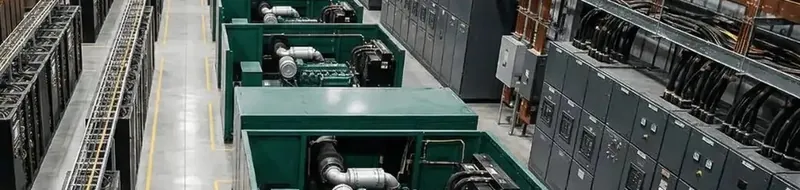
06Hand over
Turned over White Space Ready. The next lane is already behind it.
Phased Turnover
Each lane carries its own generation, power, cooling, and white space, and commissions through L5 as a unit. Capacity is able to be released in phases.
Energized
Handed over lane by lane, already taking load.
Commissioning
The lane at the frontier, running through L5.
Scheduled
The rows behind: blocks in the factory or commissioning on the lane.
The sequence shown is illustrative. Lane count and sequence are set by the campus.