
Hypergate builds AI data-center campuses out of 5 MW lanes, engineered once and repeated. Power, cooling, and white space are built and tested in a factory, shipped complete, and set on site. Campus size is set by lane count.
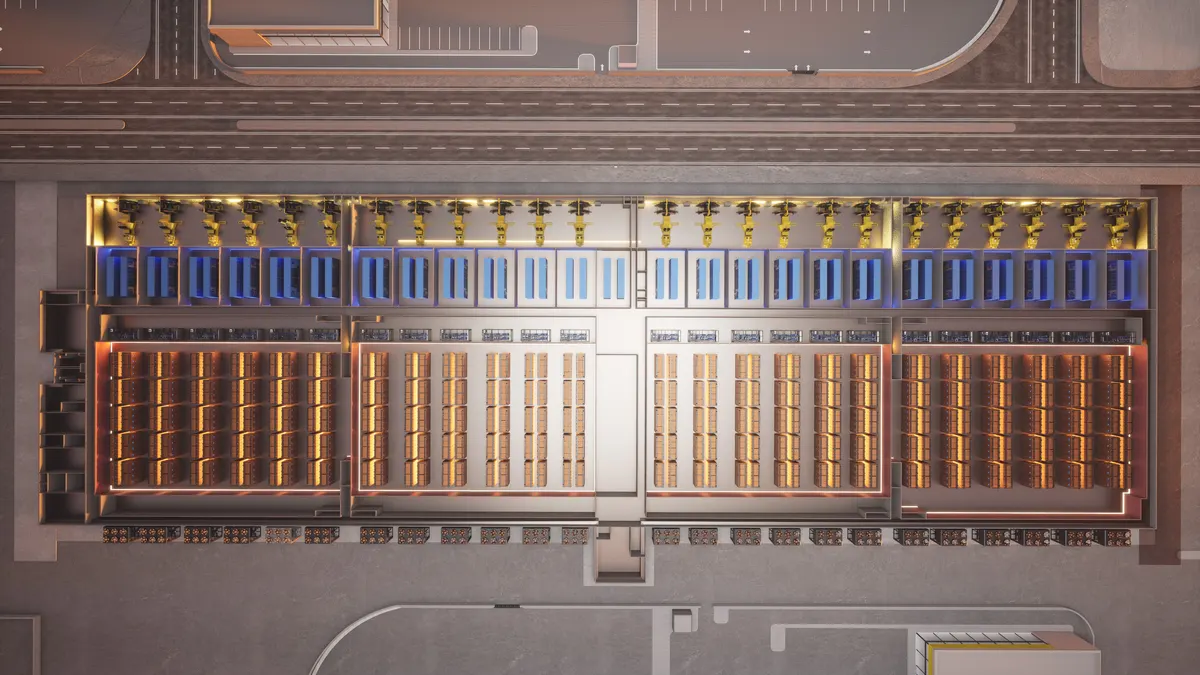
The 5 MW Lane
Hypergate engineers one 5 MW lane, has the blocks built in factories, and assembles campuses out of copies of that lane. Five factory-built blocks sit on one slab and make 5 MW. Everything else on a campus is a copy of it. Hover a block to see more information. Click to open its specification.Tap a block on the lane to open its specification.
Patent Pending

Hover a block on the lane. Click to open its build page
Inside the Lane
How the blocks are built, set, and connected, and how lanes add up to a campus.
Schedule Against Conventional Build
Traditional data-center delivery runs 18–36 months from groundbreaking to turnover. Hypergate ships power, cooling, and white space as finished blocks. Commissioning runs five levels, L1 factory acceptance through L5, the integrated systems test at full load. L1 to L3 are finished in the factory, on skids, before anything reaches the site.
Months, groundbreaking to turnover, 100 MW building
Platform figures, Hypergate technical data package.
Phased Turnover
Each lane carries its own generation, power, cooling, and white space, and commissions through L5 as a unit. Capacity comes on line in 5 MW steps, and finished lanes take load while the rows behind them are still being set.



Energized · 20 MW
Commissioned through L5, handed over, taking load.
Commissioning
Blocks set and interconnected, L3–L5 on the lane.
Under construction
Blocks in the factory on skids, at L1–L3.
The sequence loops for illustration. Lane count and order are set by the campus.
How we build →Delivered
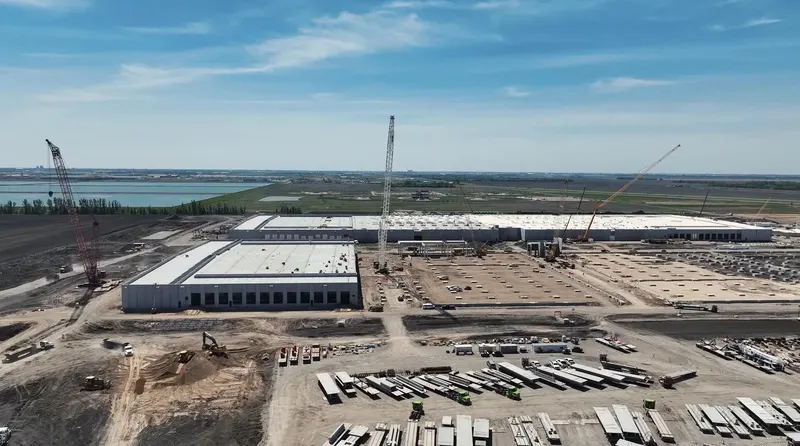
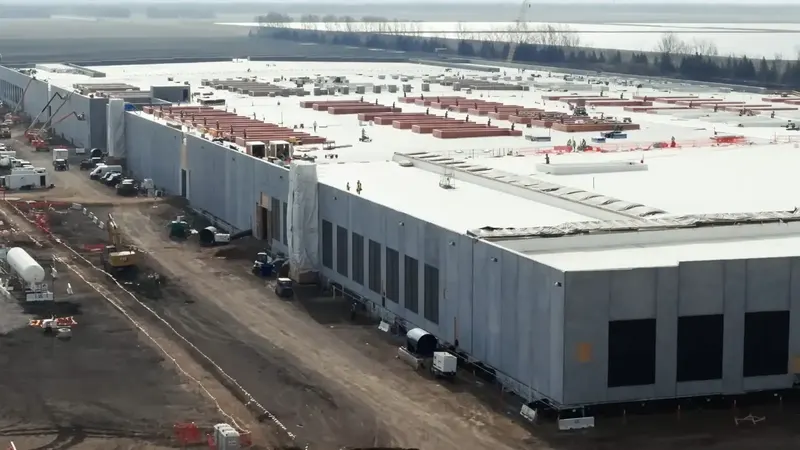
The firms behind Hypergate have 980 MW delivered and under construction across three North Dakota campuses, from digital-currency hosting to liquid-cooled AI.
Seven consecutive builds for one client.
Campus Scale
A campus is rows of identical lanes on a shared site backbone. Adding capacity means adding lanes.
Lane specification →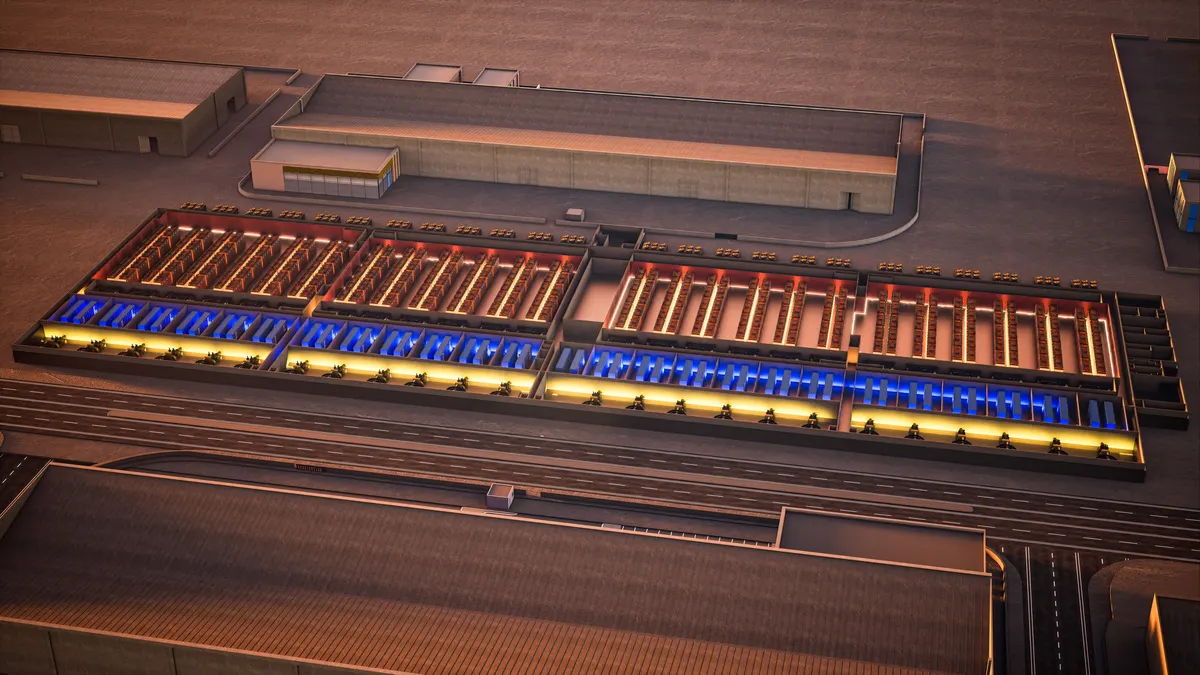
Delivery Team
The same three firms build every lane, so the second lane is a repeat of the first.
-
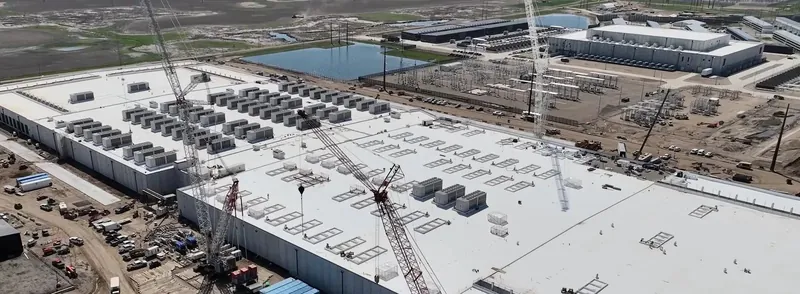
 Century Mission Critical
General contractor. Site, civil, structure, and white space. Seven consecutive hyperscale builds across three North Dakota campuses.
centurybuildersnd.com ↗
Century Mission Critical
General contractor. Site, civil, structure, and white space. Seven consecutive hyperscale builds across three North Dakota campuses.
centurybuildersnd.com ↗
-
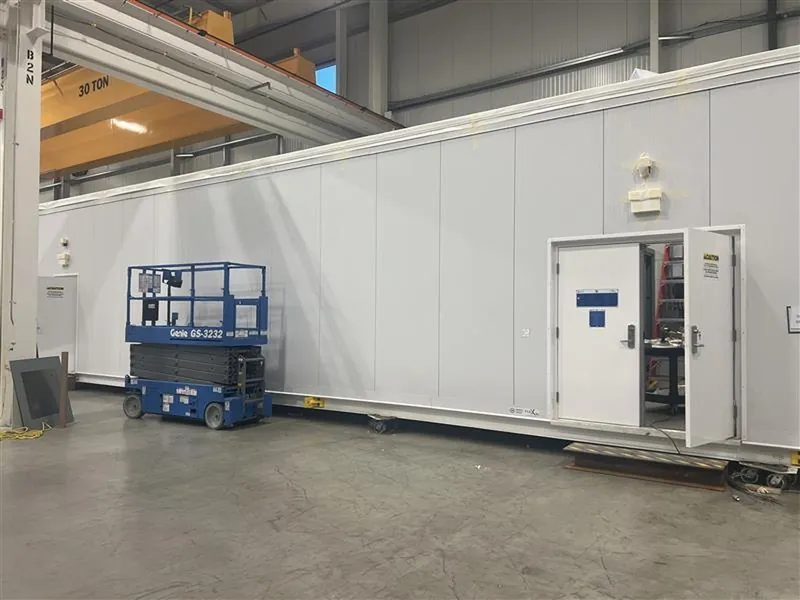
 Mission Critical Group
Factory-built modular power. Generation and the electrical backbone.
missioncriticalgroup.com ↗
Mission Critical Group
Factory-built modular power. Generation and the electrical backbone.
missioncriticalgroup.com ↗
-
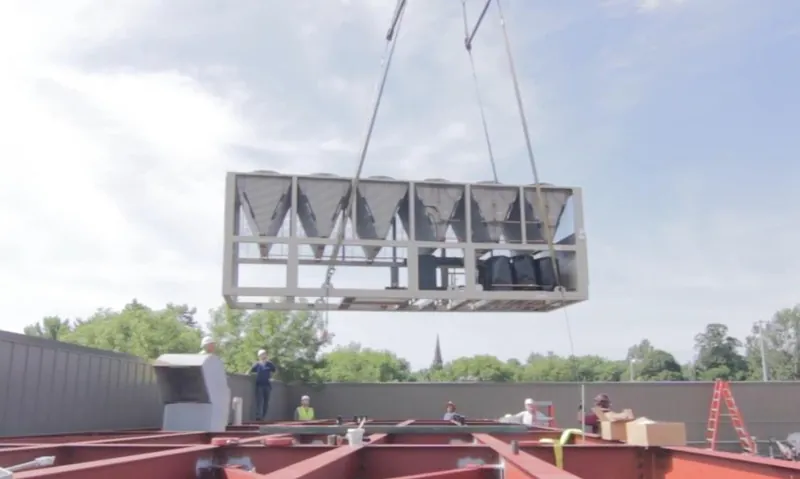
 SVL Data Center Cooling
Space cooling and the chiller plant. 50+ years of HVAC delivery.
dcc.svl.com ↗
SVL Data Center Cooling
Space cooling and the chiller plant. 50+ years of HVAC delivery.
dcc.svl.com ↗
Technical Documents
Contact
Tell us the capacity you need and the date you need it running.
Expect a reply within two business days with a lane count and a first-pass schedule.
The contact page →Received
Thanks. Your note is with the team. Expect a reply within two business days with a lane count and a first-pass schedule.